
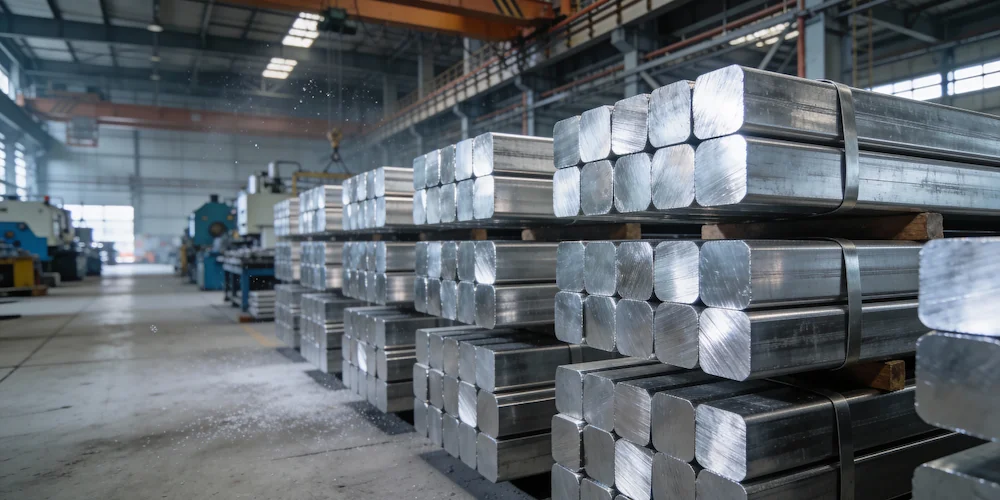
India is the largest global exporter of ferro alloys and that export book has grown 7–8% annually for the last five years (The Metalnomist industry analysis). Behind the headline shipment numbers, the operating constraint that determines whether Indian Ferro Titanium product holds spec across rolling contracts is upstream of the induction furnace — in the scrap yard. Scrap chemistry control is the unglamorous reason Indian FeTi grade discipline holds when the spot market gets noisy.
Segregation discipline
Practical scrap-yard operation in a Ferro Titanium plant separates incoming material by chemistry class at intake, not after consolidation. The standard categories are aerospace-grade machining turnings (the cleanest fraction, highest Ti, lowest tramp elements), sponge or commercially-pure feedstock, mixed alloyed turnings (containing Al, V, Mo as alloying elements in the original titanium), and lower-grade mill scale and turnings. Each heap is physically separated with chemistry logged at receipt. Cross-contamination between heaps is the cardinal operating risk — a single mis-routed drum of alloyed turnings into the sponge category can pull aluminium content several percentage points off target in the next charge.
Three-checkpoint chemistry control
Producers operating to ISO 9001:2015 quality systems run three chemistry checkpoints: at scrap intake (WD-XRF analysis of the receipt sample to confirm category), at charge blend (XRF of the prepared melt charge to confirm target stoichiometry), and at tap (full chemistry on the molten metal before cast). The three checkpoints are independent, and any out-of-band reading at checkpoint two or three triggers either a charge adjustment or a held batch. The cost is operating discipline, not equipment.
Inventory hold as a contract-fulfilment asset
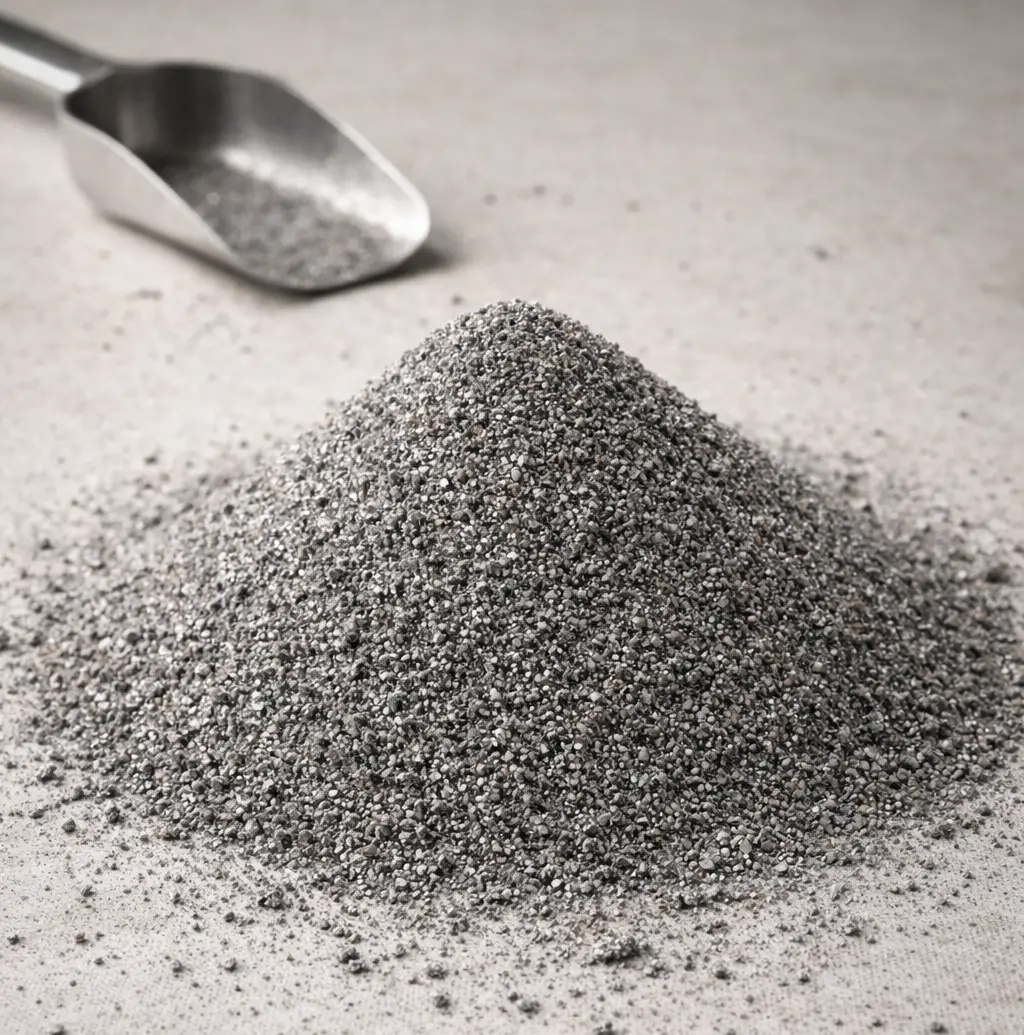
A 400–500 MT scrap inventory looks oversized to anyone treating titanium as a commodity. The position is consistent with how the producer side of long- duration aerospace and stainless contracts actually operates. Titanium scrap availability is unpredictable — global aerospace machining cycles, US tariff shifts, geopolitically sensitive feedstock origins. A producer running on hand-to-mouth scrap supply ends up substituting whatever is available into whatever grade is being produced; composition drifts and Certificate of Analysis data starts carrying caveats. Three to four months of segregated scrap inventory is the operational buffer that allows grade discipline to be held across the contract horizon.
The new aerospace pull
The new 600 TPY PAM line commissioning in Lucknow (The Metalnomist, March 2026) has changed the demand side of the Indian scrap market. Aerospace-grade titanium ingot drawn from PAM routes consumes the cleanest segregated scrap, and the new PAM operator is sourcing domestically. The net effect is upward pressure on segregated aerospace-grade scrap pricing and relatively flat pricing on mixed-alloy fractions. For Ferro Titanium producers running the full BB-30 / BB-40 / BB-70 grade range, the scrap-grade input mix is actively rebalancing month-to-month, and inventory discipline matters more for it.